

















Advanced Skin Cancer Care for Bryn Mawr, Newtown Square, Philadelphia, and the Main Line
Skin cancers are among the most frequently diagnosed cancers worldwide, but they are also highly treatable when detected early. When left to develop, these cancers can become more complex to manage and may require more advanced treatment options. That’s why dermatologists strongly recommend having any new, changing, or suspicious skin spots evaluated promptly. We specialize in skin cancer evaluation and treatment for patients from Bryn Mawr, Newtown Square, Philadelphia, and the Main Line.
At Bryn Mawr Skin & Cancer Institute, patients receive careful diagnostic evaluation and access to advanced, individualized treatment plans designed to identify skin cancer early and guide effective care at every stage. Skin cancer care in 2026 continues to advance with earlier detection and more personalized treatment approaches.
Receive expert skin cancer evaluation and treatment at Bryn Mawr Skin & Cancer Institute, offering comprehensive evaluations, early detection, and advanced care options for optimal skin health. To schedule an appointment, please BOOK ONLINE, call 610.525.5028, or Contact Us.
Why Does Skin Cancer Develop?
Exposure to ultraviolet (UV) radiation, whether from natural sunlight or artificial sources like tanning beds and sun lamps, is the leading cause of skin cancer. This ongoing exposure makes skin cancer evaluation an essential part of preventive dermatologic care. UV damage builds up over time, meaning even brief or intermittent sun exposure can contribute to long-term changes in the skin. The skin is like the bank; it never forgets the deposits! During skin cancer evaluation, dermatologists look closely at how this cumulative damage may have affected skin cells at a DNA level, where UV rays can trigger mutations that increase cancer risk.
Because of this gradual process, regular skin cancer evaluation is especially important for identifying early warning signs before they progress. Cancerous growths most often appear in areas that receive the highest levels of sun exposure, including the scalp, face, lips, ears, neck, chest, arms, legs, and hands. However, a thorough skin cancer evaluation also includes less obvious areas of the body—such as regions typically covered by clothing like under a bra or underwear—since skin cancer can still develop in these unexpected locations.
There are three primary types of skin cancer that are identified through skin cancer evaluation. Basal cell carcinoma and squamous cell carcinoma are the most common forms, and both develop in the outer layers of the skin. These types are often detected during routine skin cancer evaluation, where subtle changes in texture, color, or growth patterns can signal early disease. Melanoma, while less common, is the most aggressive form of skin cancer and requires especially careful skin cancer evaluation due to its ability to spread if not caught early.
By emphasizing routine skin cancer evaluation, dermatologists aim to detect these cancers at the earliest possible stage, when treatment is most effective and outcomes are most favorable.

Meet Our Dermatologists &
Certified Physician Assistants
Our board-certified dermatologists & PA-Cs are dedicated to detecting and treating skin cancers. We treat the full spectrum of skin diseases. Our Mohs and Plastic Surgery practices are integrated, and offer patients the most advanced skin cancer treatment, delivering superior outcomes.
What Does a Skin Cancer Evaluation Involve?
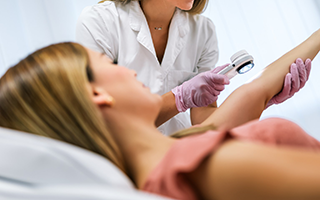
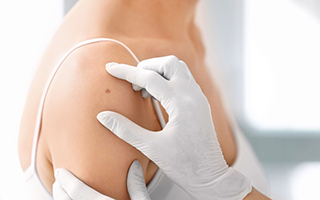
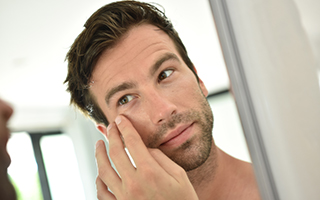
A common question we hear is, “What does a skin cancer screening consist of?” especially from patients coming in for the first time. A dermatologist will go over your skin closely, looking for suspicious lesions and other potential signs of cancer. It is important not to wear nail polish, as skin cancers can develop beneath fingernails and toenails. Any unusual spots or bumps may be further tested with a biopsy.
It is important to pay attention to all lesions on your skin and be aware of your moles throughout the year. You or a close partner will likely be the first to notice something unusual. You can also alert you dermatologist to any changing or symptomatic lesions at the time of your skin cancer exam.
Skin Cancer Risk Factors
Patients often wonder, “What are the major risk factors for skin cancer?” before scheduling a skin screening. Skin cancer develops when damage to skin cells, most often from ultraviolet (UV) exposure, accumulates over time and leads to abnormal cell growth. While anyone can be affected, certain factors can significantly increase a person’s risk, including lifestyle habits, environmental exposure, and individual skin characteristics. Understanding these risk factors can help with earlier awareness and prevention.
You may be at higher risk of skin cancer if you:
- Have had a previous form of non-melanoma skin cancer, or melanoma
- Have family members who have had it
- Are blond or red-haired and have light-colored eyes
- Naturally have very pale skin that burns, freckles, or reddens easily in sunlight
- Have a large number of moles or freckles
- Have atypical moles
- Are taking a medication that weakens your immune system
- Have another illness that weakens your immune system
- Are an older adult
How Is Skin Cancer Treated Today?
A skin cancer evaluation often begins with a biopsy, which is used to determine whether a suspicious lesion is cancerous and to identify the specific type of skin cancer present. The results of this skin cancer evaluation are essential in guiding the next steps of care. In some cases, additional imaging such as X-rays, CT scans, or PET scans may be recommended following a confirmed diagnosis to assess the extent of the skin cancer and support a more complete treatment plan.
Once a diagnosis is confirmed through skin cancer evaluation, treatment is tailored to the type, size, and location of the skin cancer. The most common approach to skin cancer treatment involves surgical removal of the cancerous tissue along with a small margin of healthy surrounding skin to ensure complete excision. This targeted skin cancer treatment helps reduce the risk of recurrence and promotes optimal healing outcomes.
For non-melanoma forms of skin cancer, such as basal cell carcinoma and squamous cell carcinoma, skin cancer treatment often includes surgical procedures or cryotherapy, depending on the individual case identified during skin cancer evaluation. Melanoma, a more aggressive type of skin cancer, is most commonly treated with surgical removal, with additional therapies considered based on the findings of the skin cancer evaluation.
Mohs surgery may be recommended as a skin cancer treatment when the cancer is located in sensitive or high-risk areas such as the face, ears, or hands, where preserving healthy tissue is especially important. It is also commonly used for certain types of skin cancer that are large, recurrent, or have aggressive growth patterns identified during a skin cancer evaluation.
Skin Cancer Evaluation FAQs
Not every skin cancer evaluation requires a biopsy. However, if the dermatologist notices a spot that appears abnormal, a small tissue sample may be taken for testing. This step of the skin cancer evaluation helps confirm whether skin cancer is present and guides the most appropriate next steps.
For the most effective skin cancer evaluation, it’s helpful to arrive with clean skin and avoid wearing heavy makeup, nail polish, or lotion that could cover areas of concern. You should also be ready to point out any spots you’ve noticed changing, as this helps guide a more focused skin cancer evaluation.
The frequency of a skin cancer evaluation depends on your individual risk factors and medical history. Many patients benefit from an annual skin cancer evaluation, while those with a history of skin cancer or higher risk may need more frequent monitoring as part of an ongoing skin cancer evaluation plan.
After your skin cancer evaluation, your dermatologist will review any findings with you and explain whether further testing, such as a biopsy or imaging, is needed. If treatment is required, a personalized skin cancer treatment plan will be created based on the results of your skin cancer evaluation.
Although certain forms of cancer may not be preventable, patients can lower their risk significantly by reducing their exposure to UV light. Wear SPF 30 or higher broad-spectrum, water-resistant sunscreen all over your face and body, and remember to reapply every two hours when outdoors—or more often if it is washing off due to pool or ocean water or sweat.
Wear ultraviolet protective clothing, hats, and sunglasses. It’s also critical to minimize the amount of time you spend exposed to sunlight during peak hours, and to seek shade as much as possible. Refrain from using artificial sources of sunlight such as tanning beds and sun lamps.
A Full Spectrum of Advanced Dermatology Care
In addition to skin cancer evaluation and treatment, we also diagnose and treat a variety of common skin conditions. These include acne, actinic keratosis, atopic dermatitis (eczema), contact dermatitis, cysts and lipomas, folliculitis, hives and psoriasis. We also provide care for moles, wart removal, and molluscum contagiosum, offering well-rounded dermatologic care for both medical and general skin concerns.
Patients in the Main Line, Bryn Mawr, Newtown Square, and Philadelphia can access attentive skin cancer evaluation and treatment at Bryn Mawr Skin & Cancer Institute, with a focus on early detection, accurate diagnosis, and advanced care. To schedule an appointment, please BOOK ONLINE, call 610.525.5028, or Contact Us.